
Your ERP, your WMS, your CRM. One answer to every question that crosses them all
AI that connects to every system you run, shows you the cost of every decision before you make it, and replaces nothing you aren't ready to replace.
Decide with confidence
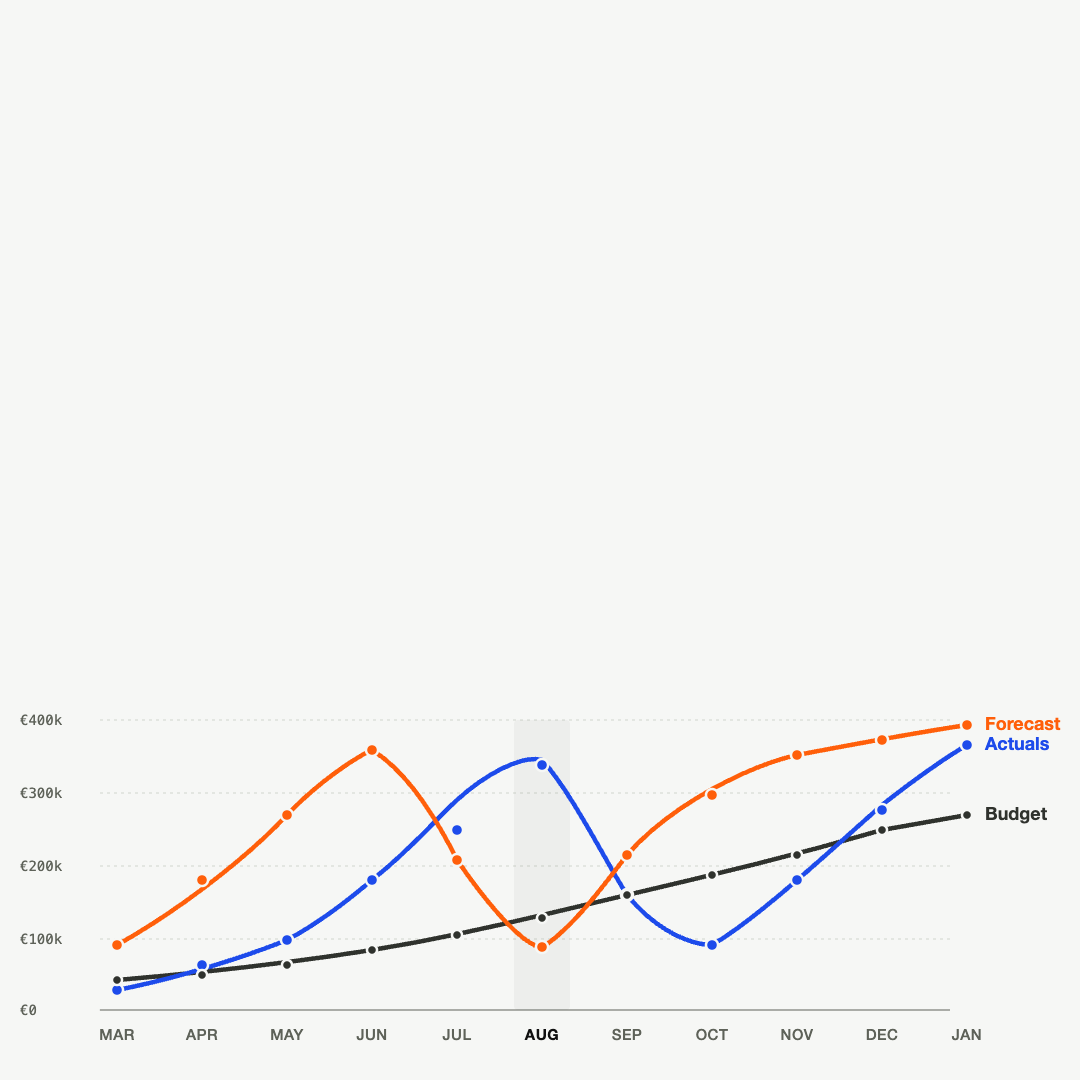
Your operation, your rules.
You define what matters: margin thresholds, payment terms, inventory minimums, production constraints, cash position limits. Armqu applies your rules across every connected system and surfaces a decision for review when something is at risk.
Human-in-the-loop, by design.
Your production manager approves. Your finance director confirms. No decision executes automatically in the background - unless you have explicitly written a rule for it. Every cross-cutting call stays with the person accountable for it.
Explainability built in.
Every answer comes with its reasoning. You see which data points drove the recommendation, which systems were checked, and what the alternatives look like.
Automatic alerts before the cost is locked in.
When a component delivery is running late and set to stop your production line, a contract penalty clause is approaching, or a procurement decision is about to lock in a cost your margin cannot absorb, Armqu flags it before the commitment is made, not after the line has already stopped.
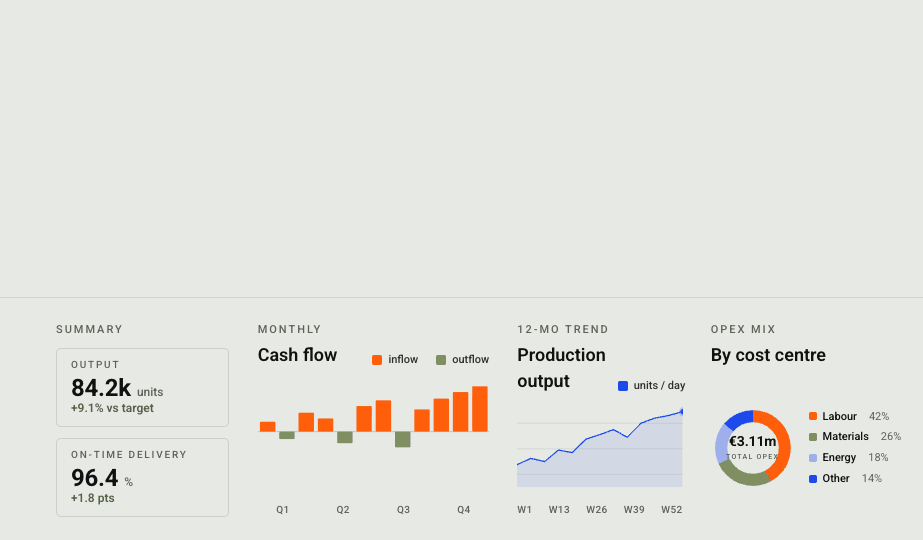
Reports your stakeholders can act on.
Any simulation output or operational snapshot can be packaged into a structured report for your finance team, your board, or your client. Built in minutes. No manual assembly across multiple spreadsheets.
Ask it the way you'd ask your Head of Production
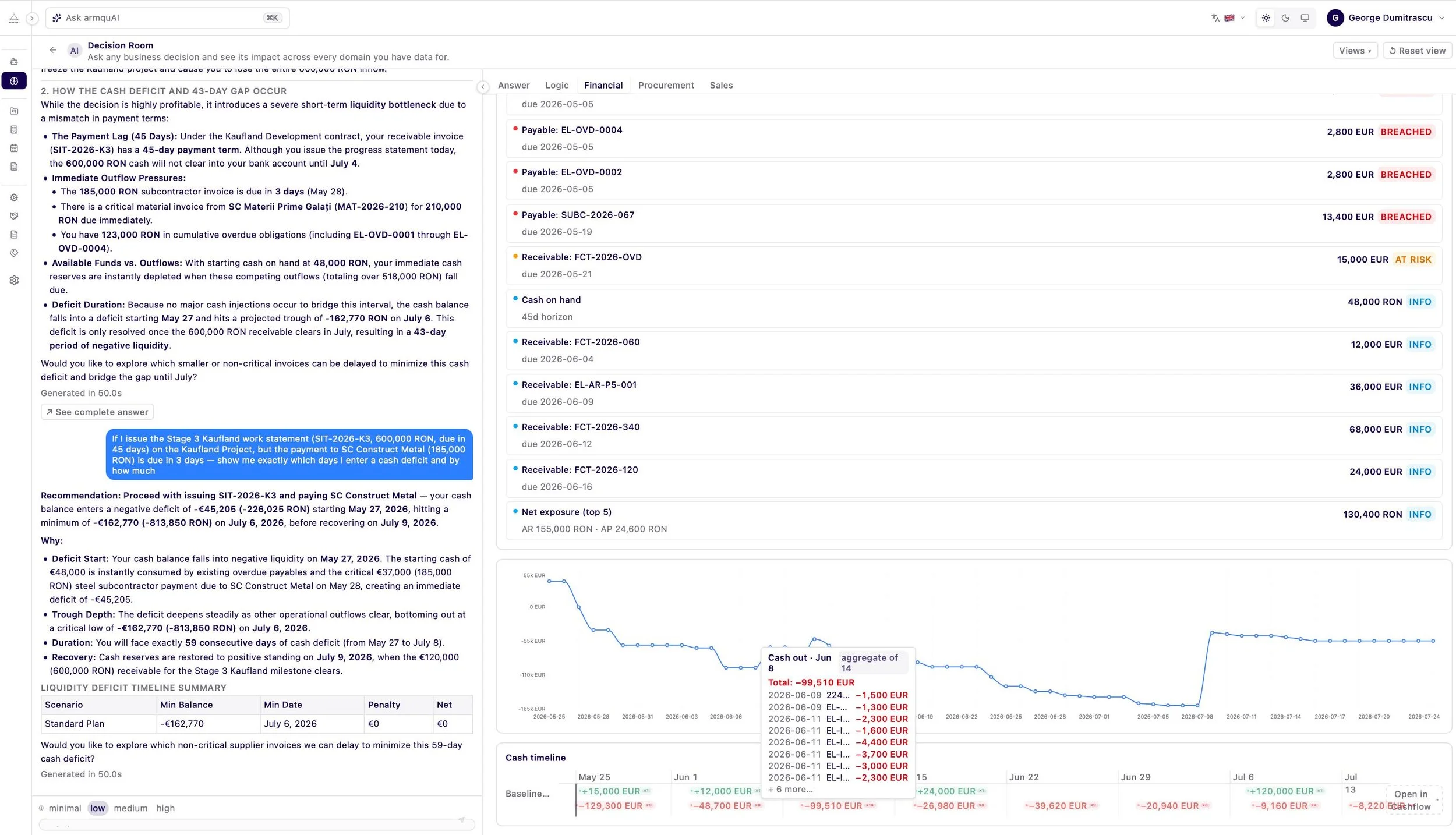
Type your question in plain language: "What happens to our cash position if we delay Supplier X payment by 10 days?"
Armqu pulls live data across every connected system, runs the simulation, and returns a structured answer showing the financial and operational consequences before you commit.
If your question crosses departments, Armqu routes the relevant data and the relevant people into the same workflow, without a coordination meeting.
Accurate

Run every scenario. Then decide on one.
Armqu's simulation engine runs multiple scenarios simultaneously against your live operational data. Compare margin impact, cash flow position, and capacity exposure side by side before any commitment is made.
When a decision crosses departments, Armqu routes the right data to the right people at the right moment. Finance sees the margin impact. Production sees the capacity exposure. Procurement sees the supplier risk. No meeting needed.
And when a customer is pushing for a delivery commitment your current component stock cannot support, everyone sees why before the answer goes out the door.
Smarter the more you use it
Every decision made, every rule confirmed, every anomaly caught and corrected updates the operational model of how your business actually works. Over time, Armqu understands your component margins, your supplier lead time patterns, your production cycle constraints, and your team's decision logic better than any system you have previously run.
Pattern recognition at the team level.
As your team uses Armqu, it identifies how decisions are being made: which rules are applied consistently, where judgment varies across sites or departments, and which decision types are taking longer than they should. That intelligence becomes the basis for new rules and new decision shortcuts -- so your best people's judgment is captured in the system, not lost when they are unavailable
AI models and integrations
Connected to everything you already run.
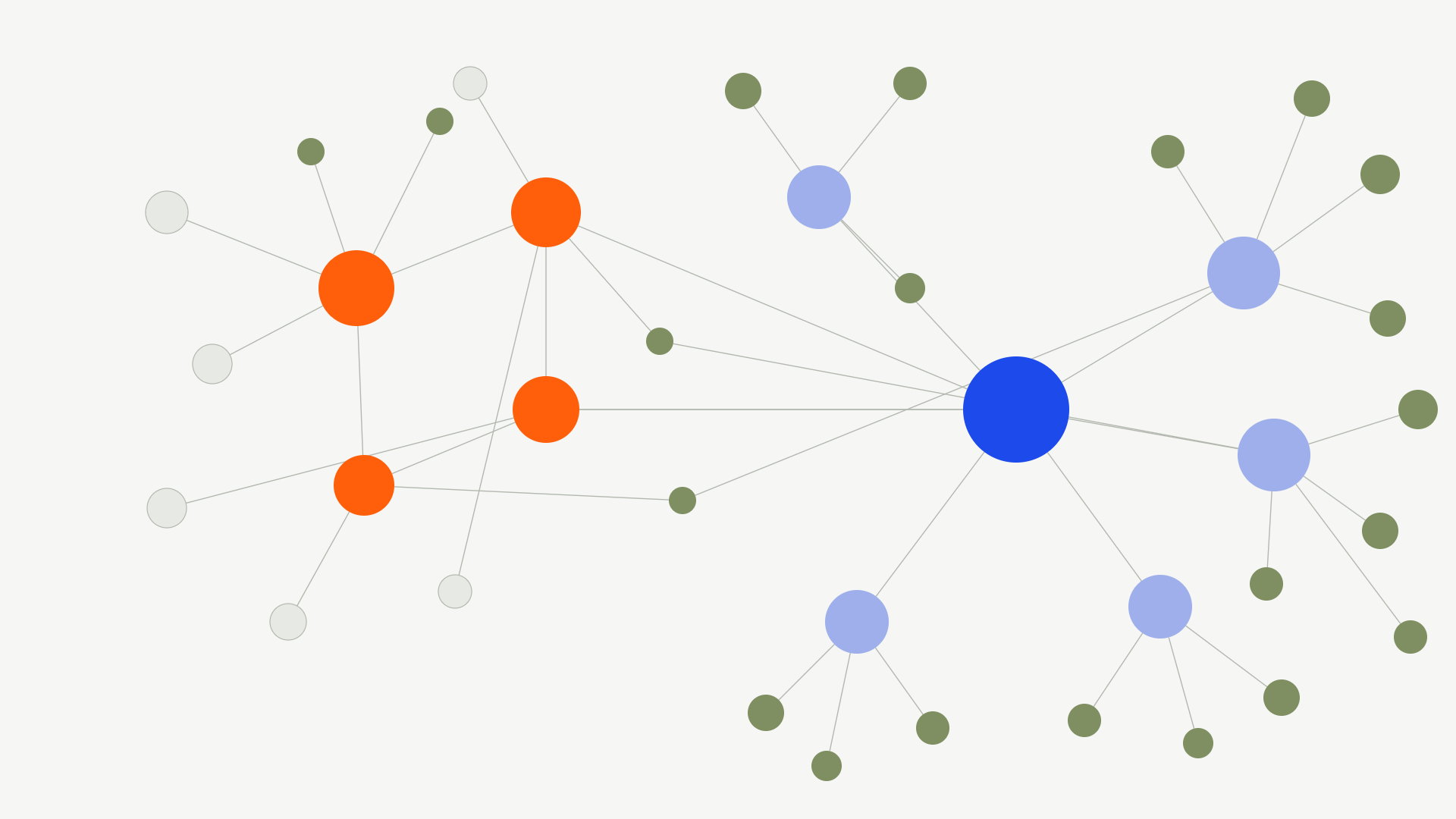
Your ERP runs your transactions. Your WMS tracks your stock. Your MES runs your floor. None of them talk to each other when you need to make a call that crosses all three. Armqu connects them into one operational model.
Your production data, your supplier terms, your margin structure -- none of it leaves your environment to train models for other customers. Armqu reads what is there and returns answers. The integration is handled by Armqu's deployment team.
LLM model flexibility
Armqu runs on Gemini by default. If your organisation has an existing LLM agreement, an internal AI governance policy, or a requirement to keep model inference on-premise, Armqu runs on your preferred model instead, including models hosted entirely within your own environment.
Book a demo. We'll model a real decision from your business, before you commit to anything.
The next decision your team makes without a model will cost you something. Book a 30-minute walkthrough – we’ll take a real decision from your business, model it live, and show you what the numbers would have said – before you commit to anything.
FAQs:
-
Armqu's implementation team handles the full integration, floor-mapping, and ontology build. The customer's IT team is asked to provide API or read-level access to existing systems, relevant system documentation, and a named internal point of contact for the integration phase. No new infrastructure needs to be built or maintained by the customer's team.
-
One of Armqu's core functions is capturing institutional knowledge that currently lives in individuals. As the platform is used, the rules, judgment patterns, and decision logic applied by your most experienced people are encoded into the operational model. When a key person leaves, the decisions they were responsible for remain supported by the system. Armqu does not eliminate the need for skilled people. It ensures their knowledge is not lost when they are unavailable or when they leave.
-
Armqu is built for multi-site deployment. Each production site or entity is mapped individually during implementation, and the resulting models can be connected into a consolidated view across sites, legal entities, or SPV structures. A CFO managing three production sites or multiple legal entities across a manufacturing group. Sites can be added incrementally.
-
Yes. The standard agents library covers the most common cross-cutting decision types in manufacturing and real estate development. If a customer's operation includes a decision type not covered at launch, the Armqu deployment team configures it during or after the implementation phase. Every decision a team makes regularly should be inside the system.
-
Every decision made inside Armqu, every rule confirmed, and every anomaly caught updates the operational model of that specific business. This learning is proprietary to each customer deployment. Armqu does not use one customer's operational data to improve models for other customers. The system compounds in value the longer it is used.
-
After go-live, Armqu provides ongoing model maintenance, connector updates, and agents library additions. System updates are handled by Armqu, not the customer's IT team. The operational ontology is updated by the Armqu team when customer operations change.